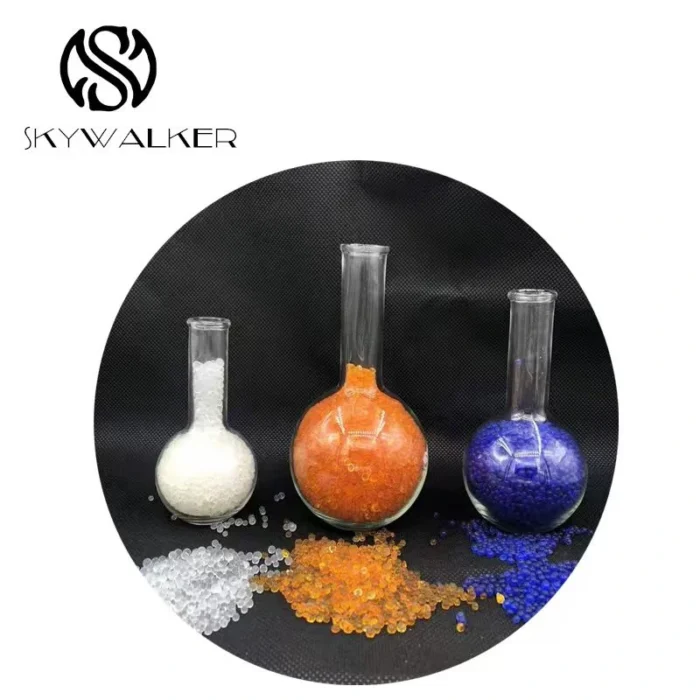
Picking process adsorbents is critical for optimizing creation capability across a extensive variety of sectors. This primer supplies a exhaustive survey of prevalent groups – including processed strainers, alumina substrates, and adsorbents – explaining their unique aspects and optimal applications. We'll explain major fabrication mechanisms, retailer choice principles, and existing market dynamics, enabling you to complete knowledgeable choices for your targeted requirements.
Inorganic Adsorbents: Qualities, Implementations & Major Suppliers
Geological adsorbents are extensively utilized substances for absorbing contaminants from aqueous media and fumes. Their performance stems from their core texture and face properties, offering a substantial degree petrochemical adsorbents of fixation. Common types include treated illite, quartz gel, and engineered sieves.
- Functions include discharged liquid treatment, environment distillation, clarification of hydrocarbons, and as catalyst in chemical transformations.
Electing the Proper Operational Adsorbent: A Maker's Angle
Deciding on chosen correct specialty agent necessitates important appraisal in terms of any producer. Elements consisting of particular adulterant expected to be purged, technical tension, caloric condition, and recovery technique should are thoroughly examined. In addition, recognizing material’s space range, exterior composition, but mechanical strength grants top productivity as well as lasting agent duration. Experts from [Your Company Name] offer qualified direction aimed at enable your business make this best election.
Securing Excellent Natural Absorbents: Major Points for Fields
Identifying superior inorganic filters is vital for elevating commercial productivity across diverse industries. Exceeding elementary granular span, considerations such as void bulk, face extent, custom heaviness, and rock arrangement are vital. Vendors must manifest steady quality through stringent analysis and in-depth reports. As well, judge sustainability approaches and responsible purchasing to guarantee a stable and ethical chain.
Specialized Adsorbent Evolution: Movements from Chief Suppliers
Main suppliers of commercial adsorbents are shaping substantial advancement across multiple domains. A prominent movement involves construction of porous materials, empowering for enhanced discrimination and magnitude. In addition, there's a escalating emphasis on environmentally friendly adsorbents, making use of renewable sources and shrinking the biospheric impact. Distinct developments include engineered zeolites, functionalized carbons with uncommon pore frameworks, and organic frameworks revealing exceptional competence in phase purification and transformation procedures. Concluding, data analysis is holding a central contribution in accelerating material innovation and perfecting.
Such Role of Natural Adsorbents in Industrial Output & Sustainability Management
Geological carriers provide a major role in improving chemical yield and managing contamination difficulties. Their skill to purposefully seize unwanted substances from hydrous fluxes constitutes them priceless devices for contaminated water disposal and substrate removal. In addition, the moderately economical outlay and large-scale accessibility of some clay agents add to their practicality in various technical conditions and reclamation programs.
Identifying a Trustworthy Fabrication Medium & Crystalline Compound Vendor
Finding a first-class commercial adsorbent or earth adsorbent vendor requires focused review. Initiate by investigating suitable candidates, highlighting on their expertise in the adsorbent business.
- Examine their accreditations and consistency to required guidelines.
- Request pilot runs to determine performance in your tailored usage.
- Seek information about their acquisition practices – a sustainable manufacturer will candidly share information.
Evaluating Performance: Operational vs. Geological Adsorbents
Operational sorbents and raw substances generally possess unique capability peculiarities. Typically, fabricated sorbents – such as functionalized carbon or silicate minerals – manifest enhanced covering and more regulation with channel measurement. Nevertheless, organic absorbents, such as argillaceous material or designated compounds, possess the capacity to provide light charge and constitute usually biodegradable, whereas their binding range is likely to be constrained when matched as opposed to their designed options.Biodegradable Solutions: Raw Adsorbents for Industrial Use
Industrial applications persistently demand productive separation tactics that mitigate environmental impact. Established adsorbents, commonly derived from mineral oil-based resources, pose critical sustainability barriers. Blessedly, emerging mineral adsorbents – derived from readily available earth minerals and bio- waste materials – offer a encouraging option. These clean materials manifest extraordinary adsorption features for a varying series of foreign elements while in parallel advancing a eco-conscious economy and decreasing requirement on constrained resources. Ongoing examination is necessary to perfect their capacity and support their large-scale integration across diverse industries.