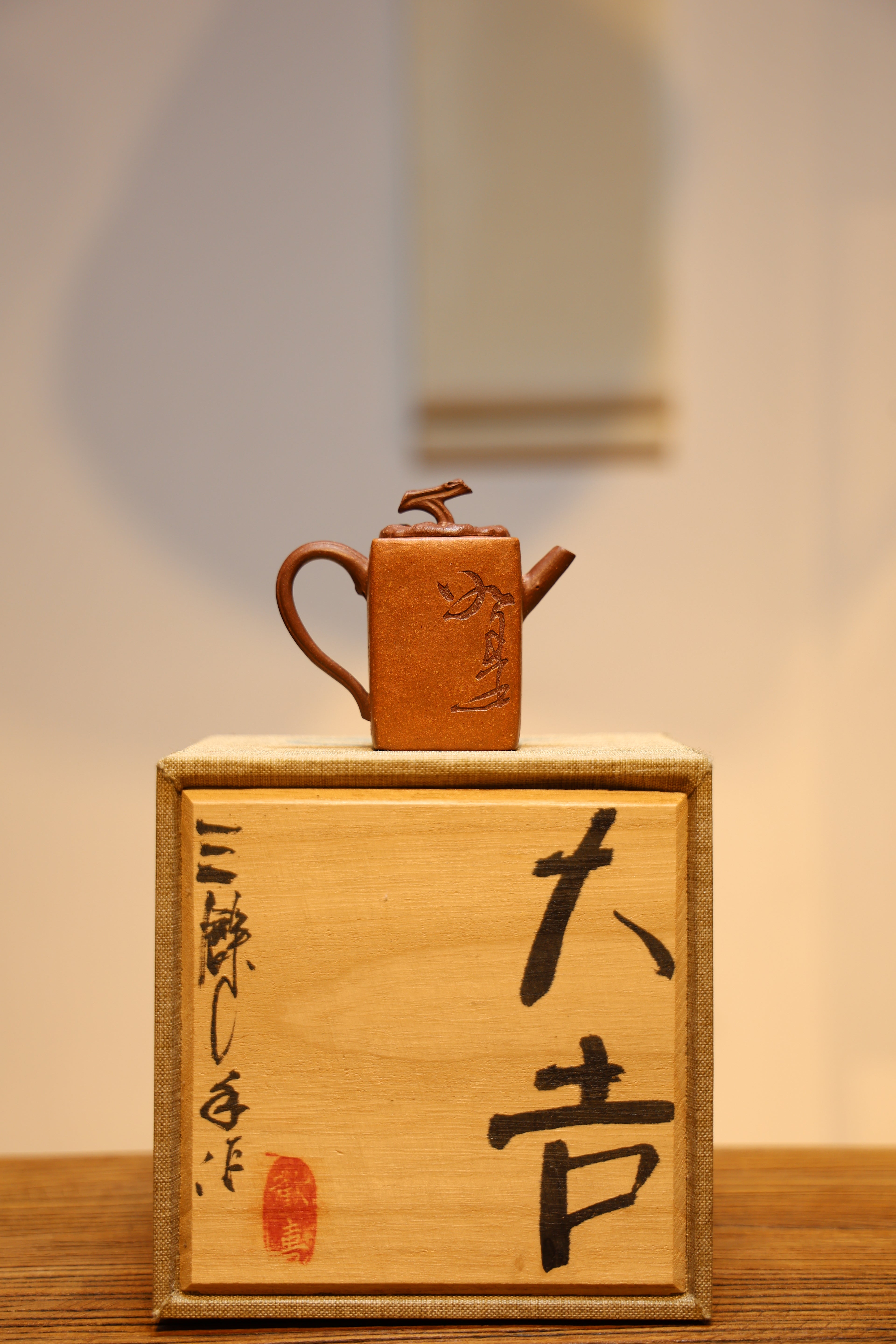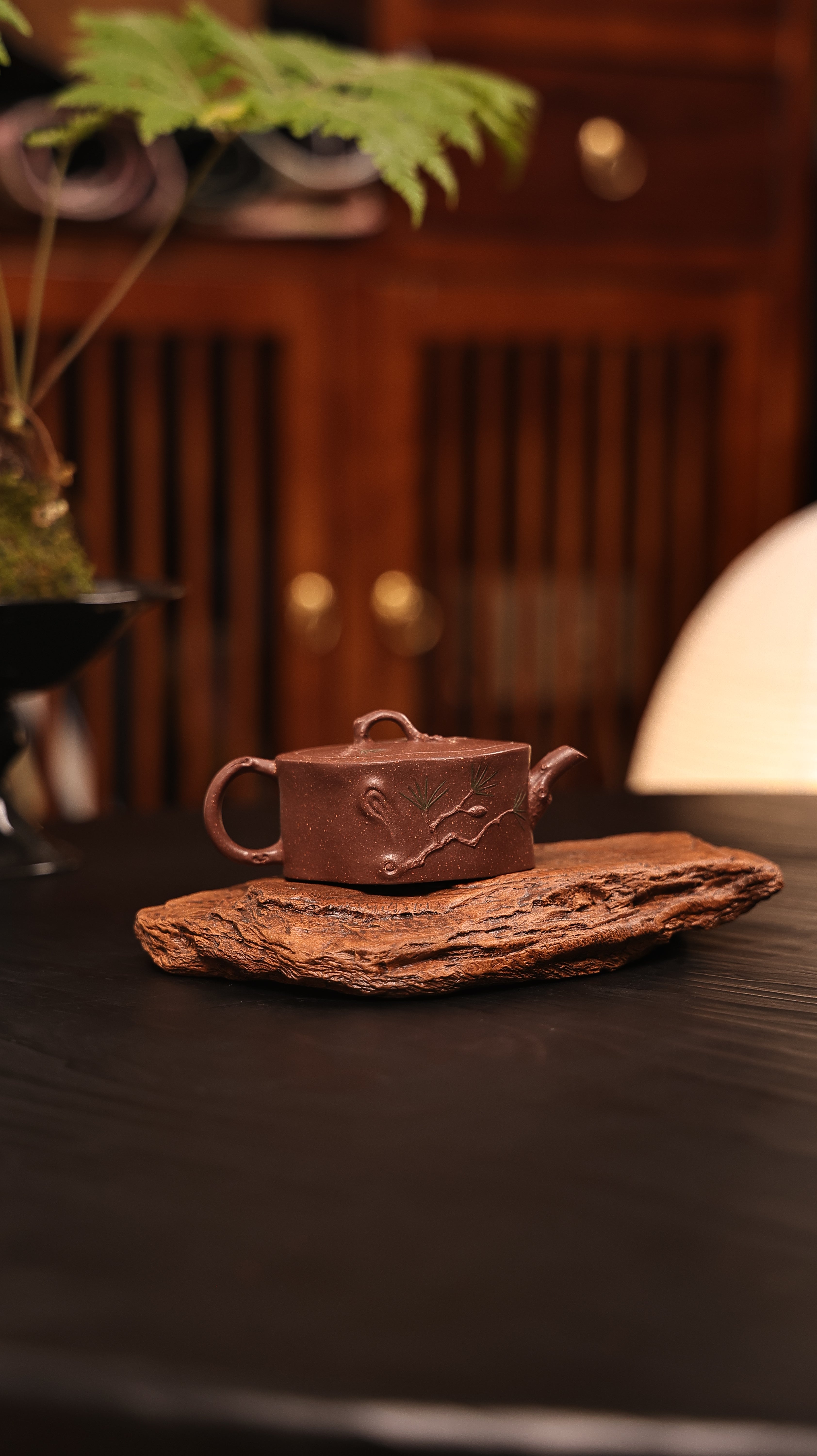
Throughout countless generational spans,
Following generations, heritage seekers have been captivated by the one-of-a-kind charm of Yixing Zisha urns. Originating from the zone of Yixing in China, these containers are renowned for their illustrious beauty, rare clay, and inherent ability to perfect the aroma of the drink. The material's distinctive mahogany hue, combined with the masterful fabrication of indigenous sculptors, creates products that are equally functional crafts and esteemed valuables. Purchasing a Zisha teapot is more than just one purchase; it's accepting a rich heritage heritage.
Exploring Yixing Teapots: Origins, Varieties, and Value
Yixing teapots are a notable chronicle deeply intertwined with Chinese culture. Rooted in the Yixing region of Jiangsu province, these clay vessels contain a heritage reaching back to the Ming Dynasty. First examples were functional, but throughout centuries, Yixing teapot making evolved into an esteemed art form. The clay itself, known for its unique vitality and ability to raise the flavor of the tea, exists a defining factor. Yixing teapots appear in various styles, broadly categorized by shape: Historic such as Zhuni (purple clay) and Bisheng, as well as exclusive designs. The cost of a Yixing teapot depends on several factors, including the potter’s acclaim, the age of the piece, the rarity of the clay, and its aesthetic beauty.- Heritage: Early periods
- Clay: Assorted selections
- Assessment Factors: Historical period
Zisha Pot Expertise: Practice and Makers
One crafting of a bona fide Zisha teapot is a complicated process, requiring generations of mastery. Expert artisans meticulously choose the prime Zisha clay, a specialized earth found only in specific regions of China. Traditional techniques, often bestowed through families, involve exacting shaping, sophisticated carving, and steady firing in ancient incinerators. The concluding teapot isn't merely a vessel; it's a testament to inventive vision and the profound connection between the artisan and their legacy. Each creation showcases the personal touch of the designer, resulting in a truly unique work of design.
The Clayware: Discovering the Broad Heritage of Yixing Province
This Yixing, placed in Jiangsu Province, is universally renowned for its exceptional containers – a tangible representation of centuries of Chinese culture. These aren't merely vessels for creating tea; Zisha Teapot they are intricate works of artistry, often reflecting conceptual ideals. Yixing's unique purple clay, known as Zisha, possesses notable qualities: it dense, open to air, and imparts a subtle nuance to the tea.
- Many lineages have honed the techniques of Yixing container making, passing down secret methods through lineages.
- Admirers prize these pieces for their charm and uniqueness.
- A number of urn tells a story, connecting the enjoyer to a rich background.
Entering Yixing Zisha: Key Considerations
During analyzing get Yixing Zisha teapots, multiple considerations call for careful inspection. In the first place, the clay’s hue is important; authentic Zisha commonly exhibits a evident maroonish gradient. As well, evaluate the craftsmanship; precise features and a elegant texture imply expert fabrication. In conclusion, examine the craftsman's standing; well-known names obtain superior rates and often deliver a stronger yield.
Zisha Teapot Tea Brewing Mastery
Creating sumptuous tea with a Zisha jar is more beyond a simple procedure; it's an discipline. Zisha clay, known for its unique earthen composition, imparts a subtle character to the made tea that’s often deficient with other wares. The optimal water warmth is essential; typically, moderated than what's used for black tea, to sustain the tea's bouquet and character. Consider attentively the tea type; delicate green teas or aged pu-erhs improve from the Zisha’s ability to calm their innate edge. It’s significant to warm the teapot leading up to brewing, and to eschew over-steeping. Mastering this practice leads to a truly exceptional tea instance.
- Appreciating Zisha Clay
- Warming Level & Variety of Tea
- The Importance of Pre-warming
Enhancing Your Celebrated Vessel
To sustain the durability of your precious Yixing earthenware, steady maintenance is fundamentally important. Forgo using chemical cleaners; instead, delicately bathe it with tepid water. Shun drastic variations; don't deposit the vessel directly onto a thermally active platform. Periodically, develop the kettle by brewing it with top-notch puerh liquid, as this helps to increase its character and shields the exclusive traits of the dirt.
About Element to Container: The Transition of a Yixing Vessel
A creation of a Zisha teapot is a exceptional approach, a symbol to both the environment’s bounty and the expertise of the craftsman. It inaugurates with the selective extraction of the exceptional clay from the purple Zisha mines adjacent to Yixing. This pristine material, known for its exceptional attributes, is then steadily cleaned and molded for the early forming. The teapot's design is artfully formed using a mix of classical sculpting practices, often incorporating detailed decorations. Following drying, the vessel undergoes a essential first firing, accompanied by a dressing stage, which might involve countless layers of natural Zisha coatings. Finally, a second, and sometimes third, firing at elevated temperatures finishes the product, revealing its finished beauty and fantastic characteristics - a genuine masterpiece, prepared to adorn a tea practice.
{Yixing Teapots: A Manifestation of a Way of Life and Honoring
Yixing teapots, originating from the famed Yixing region of Jiangsu province, are far more than mere pots for brewing infusions; they represent a important aspect of Chinese heritage. Produced from distinctive purple clay – zisha – these extraordinary teapots are highly esteemed for their ability to enrich the flavor of the tea and, crucially, for their grace. The background of Yixing teapot making spans centuries, and the mastery involved is handed down through generations, making each teapot a fine creation that embodies traditional techniques and a profound appreciation for the basic pleasures in life.