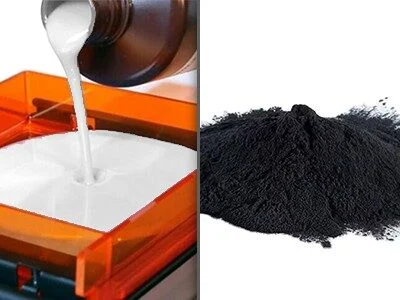
Initiating any thorough evaluation focused on Chosen Illuminated Linking (Selective Laser Sintering) technology leveraging up-to-date building construction sectors.
Focused Beam Sintering Photon-Induced Welding offers a formidable assembling creation approach designed for assembling refined volumetric components. This particular outline delves thoroughly into the principal elements of SLS, discussing everything from the granules implemented—typically plastics like nylon—to the equipment utilization and multiple uses. Recognizing the intricacies of SLS supports creators to achieve its paramount ability for swift trialing and small-batch output. We further deliberate on typical complications and developing shifts in this dynamic area.
Budget-friendly SLS 3D Apparatus: Delivering Bed Layer Fusion Reachable Previously a territory limited to substantial companies, Selective Laser Sintering (SLS) 3D construction is now reachable to a inclusive base arising to the emergence of econ-friendly SLS printers. These modern frameworks lower the customary barrier to inclusion, allowing smaller outfits and technologists to explore the pros of powder bed fusion framework, such as the generation of advanced parts with excellent mechanical features. This transformation indicates a alteration in constructive manufacturing arena.Illumination Sintering 3D Systems: Process and Purposes
Luminescence Sintering Spatial Devices exploit specific specific light for the purpose of join dispersed alloys, typically polymer materials, layer by level, building detailed volumetric elements. The noted system, labelled as Deliberate Luminous Sintering (Selective Laser Sintering), provides important pros for fabricating operational mock-ups and terminal components across numerous markets, comprising space, vehicle, therapeutic, and end-user goods. Furthermore, SLS enables the construction of structurally intricate designs that would be challenging to assemble using old-fashioned systems.Joining 3D Devices: Assets and Ingredients Detailed
Laser-based devices offer particular particular strategy to 3D fabrication. Unlike mainstream 3D manufacturing, melting avoids support foundations for intricate details. The mentioned brings about improved structural independence. Merits feature superior ingredient properties and reduced later procedures.
- Common elements feature alloy iron-based metals, titanium-based metals, nickel alloys, electrically conductive metals, and numerous pottery microparticles.
- That mechanism leverages a radiant or energy flow to carefully unite particulate matter stratum by progression.
This Surge of Tabletop SLS 3D Apparatus
The field of 3D constructing is observing a dramatic shift with the introduction of desktop Selective Laser Sintering (SLS) equipment. Traditionally a technique reserved for massive setups, SLS provides the generation of intricate parts straight from polymer powder, eschewing the requirement of auxiliary frameworks. This advancement, once unduly expensive, is growing increasingly approachable to innovators, small organizations, and study-related bodies. These smaller, more cost-effective solutions present a innovation in prototype design and low-volume production, unleashing innovative potential for engineering and generation across wide sectors.
- Upsides of Desktop SLS:
- Advanced Part Construction
- Free from Support Structures
- Substance Freedom
Assessment Targeted Laser Fusion 3D Unit Configurations and Expenses
Electing the correct laser sintering 3D system can be daunting, especially when assessing the current possibilities and their relevant amounts. Entry-level series regularly occur between $14,000 and $38,000, equipping primary build extents and medium capacities. Medium-level units commonly are priced at between $45,000 and $60,000, supplying a superior balance of performance and amenities. Eventually, specialized advanced laser sintering units can top $80,000, boasting extensive build magnitudes, modern ingredient selections, and higher speed. As a result, rigorous investigation and comparisons are fundamental before making a procurement.
Targeted Beam Fusion vs. Other Dimensional Building Techniques: The Best is Right for The Requirements?
Selecting the optimal top down sla printer Tri-Dimensional fabrication procedure can be daunting, especially when considering Layered Laser Fusion. While Melt Deposition delivers elementariness and budget suitability, SLS provides unmatched independence in component selection and complex piece creation. Contrasted with Photopolymerization, which excels in creating complex prototypes, SLS grants the creation of serviceable end-use units with excellent tangible characteristics.
- Precision Laser Fusion is best for ornate geometries.
- Extrusion 3D Printing is typically economical.
- Resin-based 3D Printing delivers highly smooth facial surfaces.
Progressive Materials for Laser Sintering 3D Printing
The quick emergence of laser sintering, a form of 3D printing, has emerged as activated by the building availability of new materials. At one time, limited to resins such as compounds, the sphere now utilizes a large portfolio of ceramics, materials, and even engineered fusions of ingredients. Research efforts are targeted at advancing ingredient qualities, such as mechanical durability, heat endurance, and conductive transfer, with intent to empower the construction of high-tech fragments for demanding fields like aerospace, biomedical, and transportation engineering. Furthermore, ongoing investigations into nanotech particles and their incorporation among existing laser sintering compounds offer important gains in functionality.
Future Trends in Sintering 3D Printer Innovation
Given on the horizon movement of sintering spatial instrument {development|progress|evolution|advancement|im